
Learning from the Right People and the Wrong Ones
Most leaders look for mentors to learn what to do. Fewer pay attention to the people who teach them what not to do and why that matters just as much.
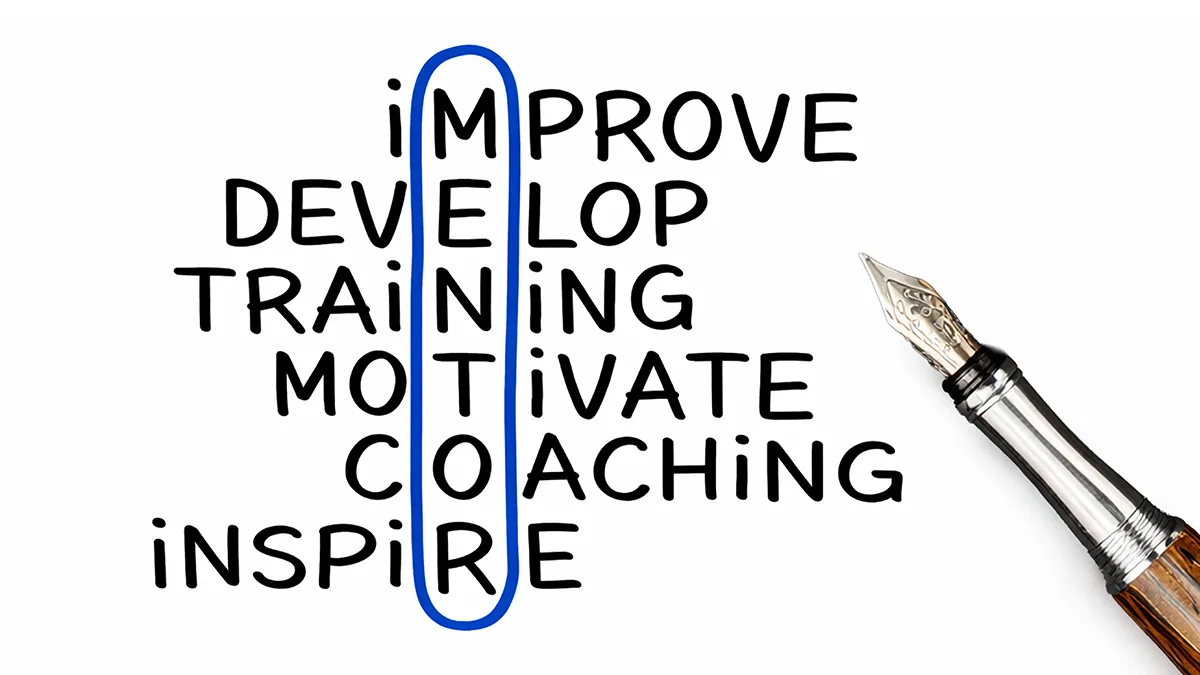
Most people think of mentoring as a one-way transfer. Experience moves from “senior” to “junior.” Wisdom flows downward.
In practice, I’ve learned that you need to think differently about how and from whom you learn.
Over the years, I’ve found that my leadership principles are shaped by three types of mentors: mentors, reverse mentors, and anti-mentors.
1. The Mentor: Clarity from Experience
A good mentor helps you see what you cannot yet see.
Not by giving you answers, but by sharpening your thinking.
They’ve made decisions under pressure. They’ve seen patterns repeat. They understand the consequences of trade-offs that are not obvious early in a career.
The value of a mentor is not advice. It is judgment transfer.
The mistake many make is looking for a mentor only when things go wrong. The better approach is to build that relationship early—before the pressure arrives.
Often, mentors can become long-term sponsors. A sponsor is someone who represents you and speaks on your behalf when you are not in the room.
2. The Reverse Mentor: Staying Relevant
In today’s environment, especially with AI and rapid technology shifts, experience alone is not enough. You also need to find how different generations think and act.
This is where reverse mentoring becomes critical.
A reverse mentor is often:
- Younger
- Closer to emerging tools, behaviours, and cultural shifts
- Less constrained by “how things have always been done”
They help you stay current. They challenge assumptions you didn’t realise you were carrying.
But this only works if you approach it with intent.
Not as a symbolic exercise. Not as a hierarchical relationship.
It requires humility.
The leaders who benefit most are the ones who can say: “I don’t know—show me how you see this.”
In practice I have also found apart from knowledge, I have learnt how to show up with different levels of energy in situations based on how reverese mentors approach things.
3. The Anti-Mentor: Learning What Not to Become
This is the least discussed, but often the most powerful.
An anti-mentor is someone you learn from by contrast.
A leader whose behaviour, decisions, or presence shows you clearly:
- What erodes trust
- What creates confusion
- What damages culture
- What distroys people
These moments tend to stay with you longer than any formal advice.
The discipline is not judgment. It is reflection.
Instead of saying “I would never do that,” the more useful question is: “What would I do differently in that situation?”
The hardest part is when you are the subject of anti-mentors, often you may not see the lessons at the time. upon reflection you will find lessons in these situations.
In Summary: Growth happens when you combine learning from all three types.
Strong leaders don’t rely on a single source of learning. They build a system around themselves:
- A mentor for perspective
- A reverse mentor for relevance
- An anti-mentor for self-awareness
Over time, this creates something more valuable than knowledge.
It creates clarity of judgment.
And in leadership, especially in the AI era, judgment is the one capability that cannot be delegated.
If you step back and look at your own environment today, the question is simple:
Who is playing each of these roles in your growth?
If the answer is unclear, that’s where the work starts.